
The bittersweet reality in the Cinemalaya hit film, “Endo,” short for end of contract, is being reimagined for the Gen Z generation after it was shown on the big screen back in 2007, nearly two decades ago.
Originally written and directed by Jade Castro, “Endo” is resurrected as a stage play adapted by playwright Liza Magtoto and directed by Melvin Lee.
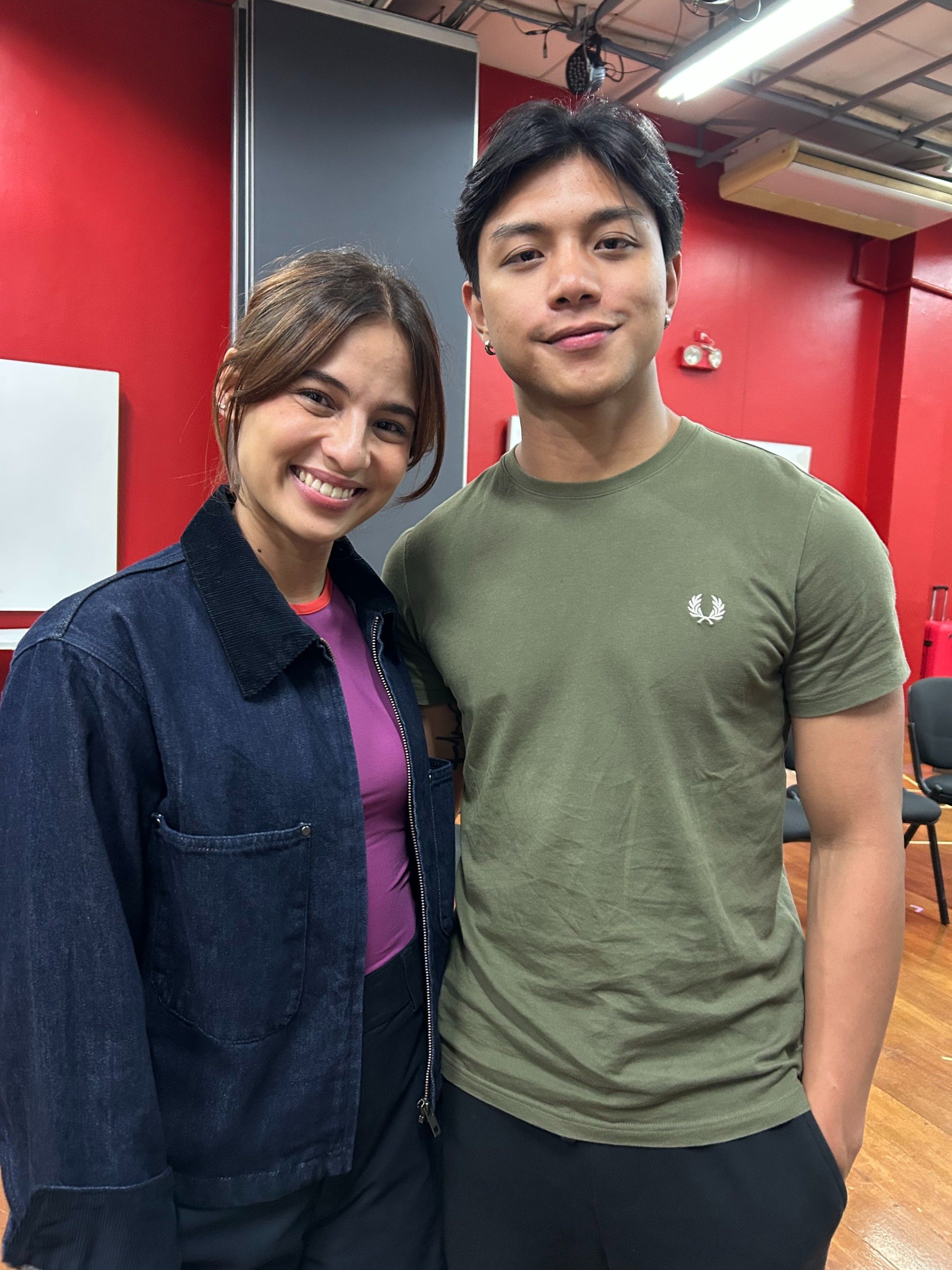
Jasmine Curtis-Smith and Rissey Reyes-Robinson alternate as the female lead Tanya, with Royce Cabrera and Esteban Mara sharing the role of Leo.
Kate Alejandrino-Juan and Iana Bernardez play Candy. They are joined by an ensemble that includes Raflesia Bravo, Denmark Brinces, Kirby Dunnzell Ekis Gimenez, Carlon Matobato, Jacinta Pascual, Noelle Polack, Niño Royeca, Nikki Soriano, Raphne Catorce and Teetin Villanueva.
The characters all underwent rigid auditions to earn their roles. They all needed to have their alternates. “It was nice to see a different interpretation of the same role,” said Lee. “They all showed up for the audition. That meant the actors were available. We need to give them the opportunity.”
The creative team includes choreographer Christine Crame, music director and composer Kabaitan Bautista, production designer D Cortezano, lighting designer David Esguerra, costume designer John Carlo V. Pagunaling and dramaturg Erik De la Cruz.
The film was earlier planned to be staged as a musical before the pandemic, but a theater version was presented instead.
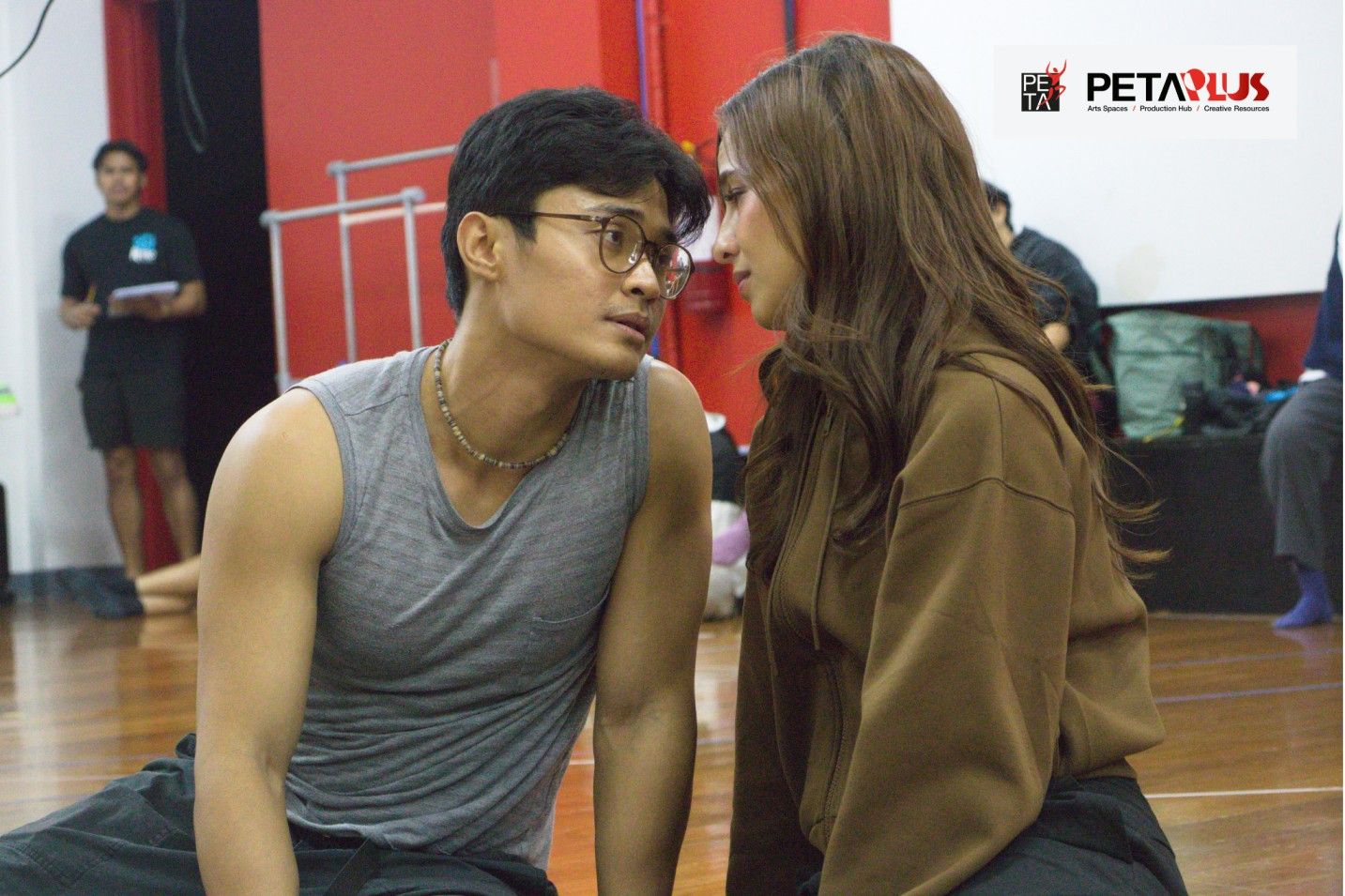
“Endo” is what temporary workers call their last day of work until the next job comes along.
In its theatrical incarnation, “Endo” shifts its lens to the present-day gig economy, where workers move from job to job under constant pressure, their worth increasingly measured by algorithms rather than stability or tenure.
Remaining grounded in the heart of the original film, the stage adaptation revisits and expounds on the issue of job insecurity in the Philippines and how it continues to affect different walks of life today.
Rather than revisiting the story as nostalgia, the production reframes “Endo” as a reflection of current labor conditions, where “end of contract” has evolved into a state of perpetual uncertainty. The play asks what tenderness costs – and why it remains essential – in a system that fragments attention and erodes long-term dreams. It promises a moving exploration and a stirring reflection of how the uncertainties and realities of Endo bleeds into the lives of the Filipino working class today.
“As you can see, ‘Endo’ is a work in progress,” director Lee told ABS-CBN News during a rehearsal. “We only took after the story of the film. In this version, Leo was only a customer of online seller Tanya. They have their character flaws. Leo no longer wants to dream. He is just going for survival. In the story, his mother left them and that affected his psyche.
“But on the second half of the play, it is interesting to see Leo’s journey and how he transformed. What are his realizations based on his encounter on the characters he interacted with, including Tanya and Candy.”
Magtoto attests it was not that easy to translate “Endo” into a stage play. “First of all, the medium is small,” she disclosed. “Melvin putting a lot of movements in physical theater really helped a great deal. Our dramaturg took on the challenge to adapt the play into the present. I also did a lot of research.
“The problems before were carried on to the problems of the characters today. It was a fun challenge to translate the things and situations that happened in 2007 to the present day situations.”
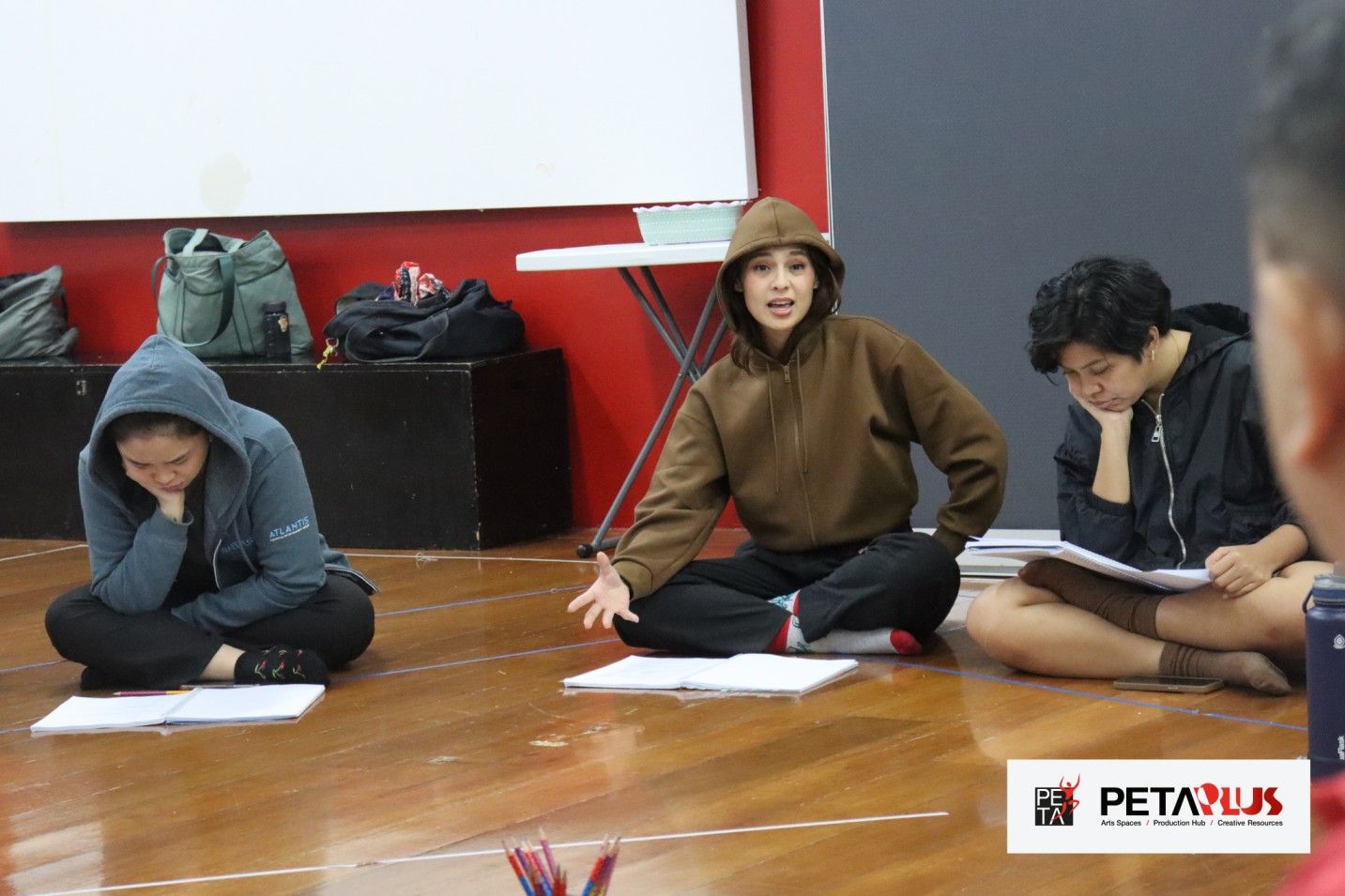
Magtoto interviewed a lot of gig workers before she started working on her script. She submitted the first draft of her script ahead of her deadline early this year.
“The workers were shuttling in more than two jobs,” she disclosed. “Their stories are based on real life. We included their stories in the script.”
“Endo” won awards after it was shown on the big screen. Lead actor Jason Abalos won Gawad Urian and Young Critics Circle trophies. The film’s portrayal of Tanya by Ina Feleo was a defining role for the actress.
To be trusted with a character like Leo was a big break for lead actor Royce Cabrera, who is playing a full-length theater role for the first time. “Malaking pasasalamat na pagkatiwalaan kami ng ganitong role,” admitted Cabrera. “Ang daming pressure ang pwedeng dumating sa amin. Sa totoo lang, pwede kong panoorin ang movie paulit-ulit. Pero naisip ko na rin na huwag ko ng panoorin.”
Curtis-Smith admitted to the pressure that her female lead, Tanya, brings. She is only on her third play following “No Filter: Let’s Talk About Me” (2015) and Guelan Luarca’s “3 Upuan” (2025).
“The essence of the story from ‘Endo’ 2007 is reflected and adapted to reflect our society now, where we are and how better or worse the situation has gotten with the gig economy has expanded globally,” Curtis-Smith said.
“Especially here in the Philippines, considering the type of country we are. We are not a first world country, so the effect globally is bigger. ‘Endo’ is a story that must be re-told. For me, I always choose projects that has depth and importance to society.”
Reyes-Robinson alternates in the role of Tanya, marking her return to the stage for the first time since 2023. “It’s a huge shoes to fill to be given the role of Tanya,” she said. “I am really so grateful. But it’s a good kind of pressure. This is some sort of a therapy for me. I was encouraged by my husband to return to theater.
“I didn’t want to do it at first because I initially felt it was selfish of me as a mom. But it brings me be back to acting. The energy and guidance that we get from our mentors, like direk Melvin, it’s not something you can replicate.
“What you gain through rehearsals and going through trial and error, it’s not how I want to go on and live my life. It’s trial and error. It’s not going to be perfect, but we’re all in this together.”

The original “Endo” story is still very relevant up to this day even if the film was shown in 2007. Through the book adapted to the theater stage by Magtoto, audiences will witness not only the struggles of contractual employment and the gig economy, but also the quiet strain it places on relationships and everyday decisions.
“The situation is now much, much worse,” said Reyes-Robinson. “It’s not just a film but it has transformed into a totally different material. “There are big shoes to fill, but it’s also a responsibility for us to tell this story and share this in our little way. Our responsibility more than the roles and the characters that are portrayed, they are real people.”
The original film captured the emotional toll of contractual labor, following young workers whose lives and relationships are shaped by looming job insecurity.
“What makes this adaptation powerful is seeing these characters breathe on stage again after two decades – their struggles, their small victories, their hopes to improve their lives. It’s all very real, very human, and very Filipino,” Lee said.