
The pursuit of bold climate solutions cannot be divorced from the goals of fighting graft and ending elite impunity.

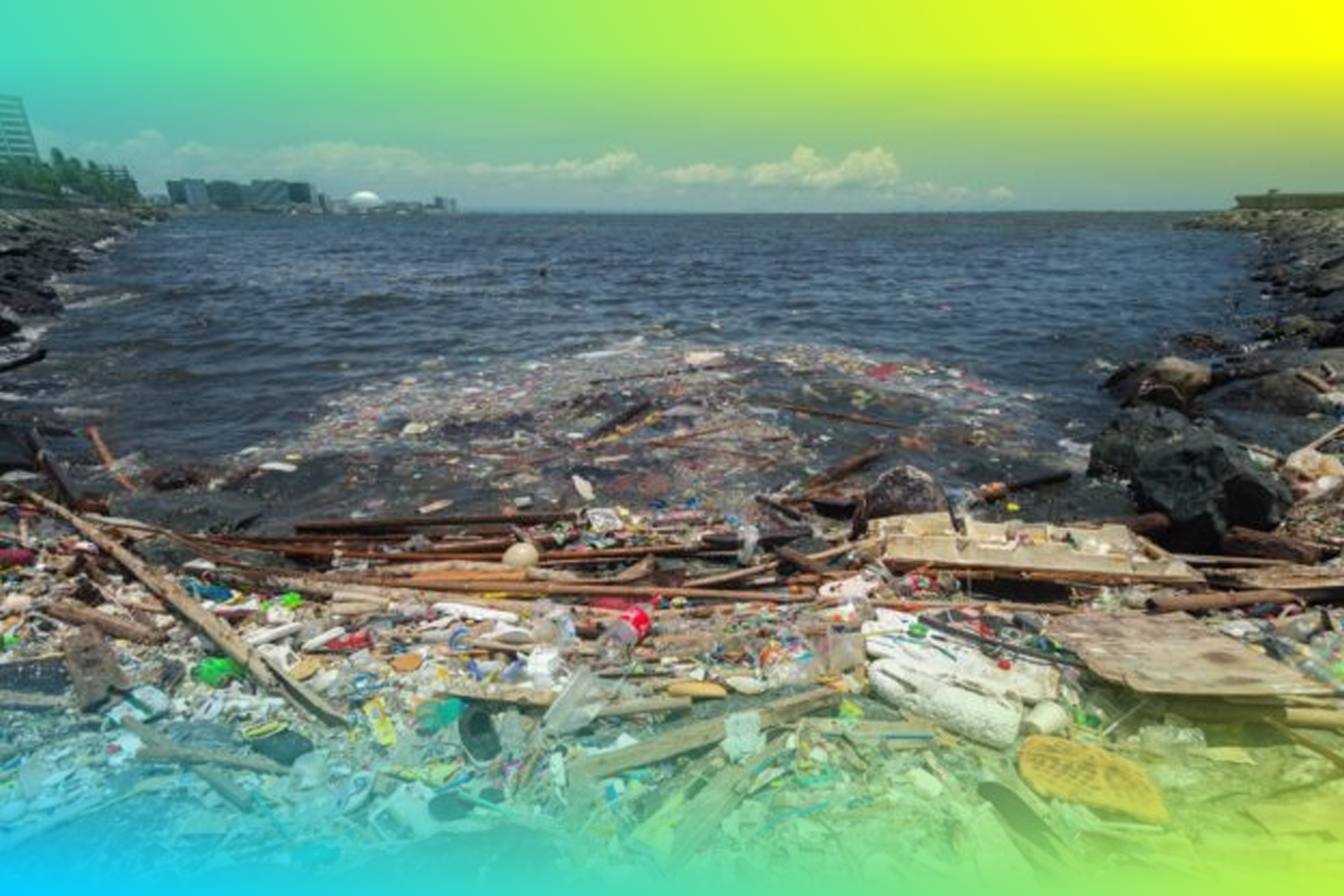
Garbage washed up on the shore of Manila Bay in Manila, Philippines, May 18, 2019
Credit: Depositphotos
Recent disasters and climate-related problems have highlighted the vulnerabilities facing the Philippines, a country with rich biodiversity resources but threatened with rapid environmental degradation. The situation is made worse by systemic corruption, which undermines efforts to boost climate resiliency. How should stakeholders address this conundrum?
In mid-April, haze enveloped the skies of north Metro Manila after a fire erupted in a closed landfill on a reclaimed land in Manila Bay. This disaster reflects the country’s grave environmental crisis. A Manila Bay reclamation project turned out to be a waste disposal site that became a hazard to marine habitats. This is not an isolated case since the reclamation blueprint covers a big stretch of the coastlines of Metro Manila and nearby provinces. Mega projects from airports to casino hubs have been rolled out amid the outcry about their potential detrimental impact on the environment.
Climate change could inundate low-lying areas in the country’s biggest urban center, and reclamation could worsen the flooding problem. In 2023, President Ferdinand Marcos Jr suspended the reclamation of Manila Bay after various sectors raised serious concerns about it. Reclamation has since then resumed, but the government has yet to release its study on whether the project will negatively affect the environment.
But reclamation is not just the reason for the recurring deadly flooding across the country. Extreme weather disturbances have severely eroded local capacity, and the situation is exacerbated by large-scale logging, mining, quarrying, and dredging operations. Situated in the Pacific Ring of Fire, the Philippines is prone to disasters, but this didn’t stop authorities from expanding the permits granted to the extractive industry.
The massive anti-corruption movement that emerged last year was triggered by public outrage over the substandard, faulty, and even non-existent flood control projects. Before the scandal, corrupt politicians endorsed numerous flood control projects supposedly to protect communities from the harsh impact of storm surges and flooding resulting from destructive typhoons. They usurped the language of climate change to rally public support for infrastructure projects worth billions of pesos, but these were later exposed as mere cover for the systematic theft of public funds.
Anti-corruption protests have become less frequent this year, but the demand for accountability remains strong, as does public skepticism over projects implemented in communities and nominated by local politicians. This is unfortunate since climate-related interventions are necessarily planned and realized at the grassroots level. This could undermine support for innovative approaches that seek to prioritize early action and funding for the benefit of climate first responders and frontliners.
For example, Senator Loren Legards’s “conditional early action” proposal, which intends to disburse funds based on a forecast instead of waiting for a post-calamity assessment to allow communities to procure supplies and prepare for evacuation, would certainly encounter questions about the dangers of corruption and patronage. The concept of “anticipatory climate finance” could empower communities by ensuring that resources are prepositioned to respond to disasters, but it could also be distorted in a bureaucracy that recently gained notoriety by allowing corrupt politicians to acquire ill-gotten wealth through kickbacks and anomalous budget insertions.
In other words, the pursuit of bold climate solutions cannot be divorced from the clamor to end impunity by holding corrupt officials and their cronies in the private sector accountable. This is crucial to restoring credibility in governance and mobilizing political support for sustainable community-based actions. It underscores that adaptation and mitigation measures are directly linked to the principle of promoting transparency and accountability at all levels of governance.
The recent landfill disaster that caused an air pollution crisis in Metro Manila could be a preview of the calamities that could wreak greater havoc this year. A super drought is expected to affect rural areas in the next two to three months. The start of the typhoon season could further expose the extent of the flood control controversy. This is the best time to step up the anti-corruption drive while initiating partnerships in communities to explore new ways to confront the ravages caused by climate injustice.
Originally published on The Diplomat.